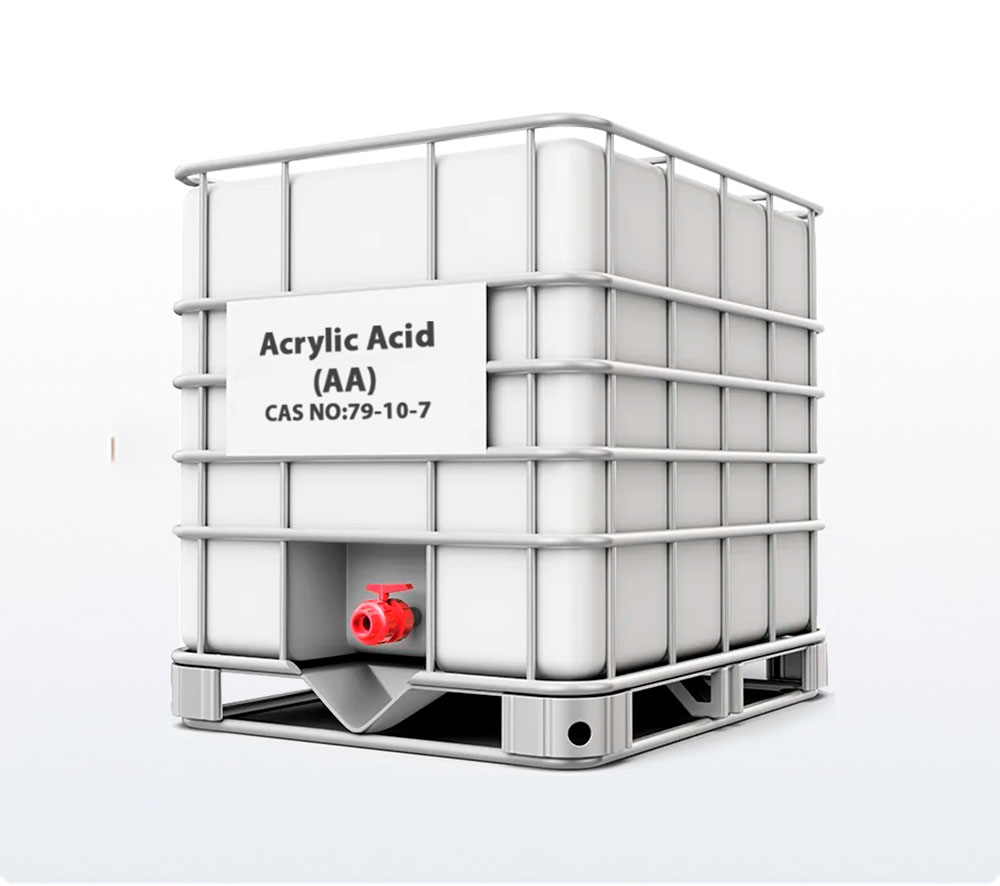
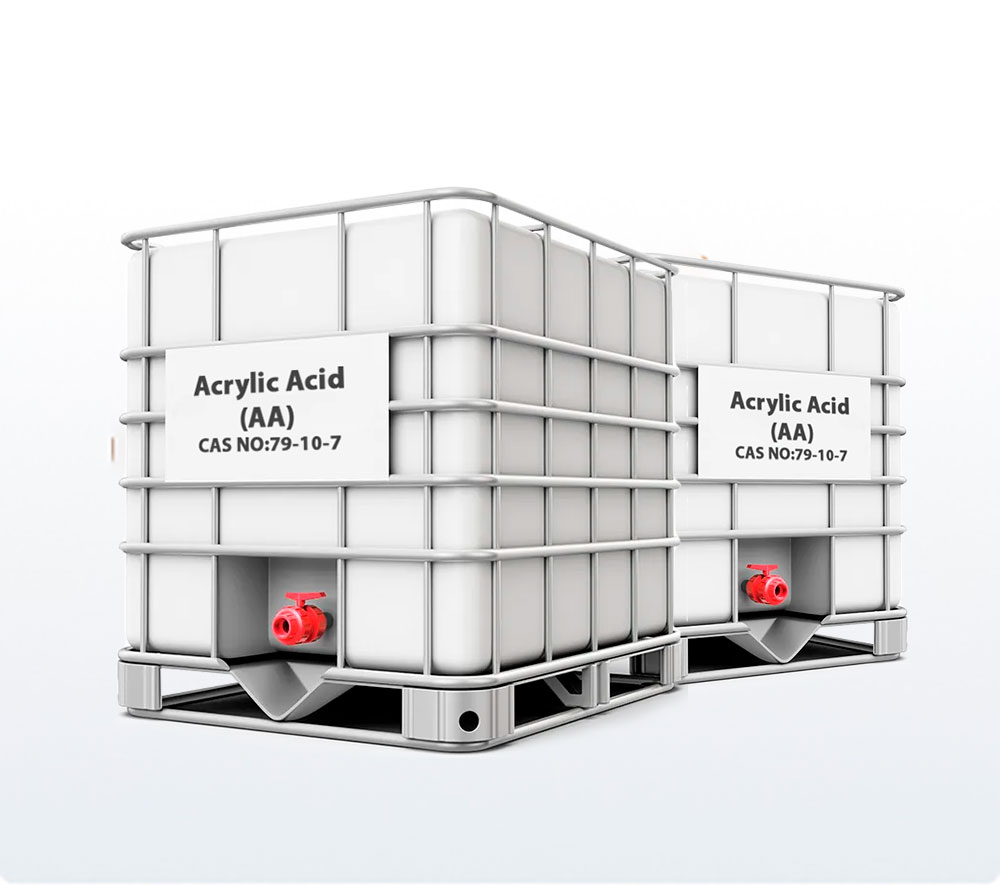
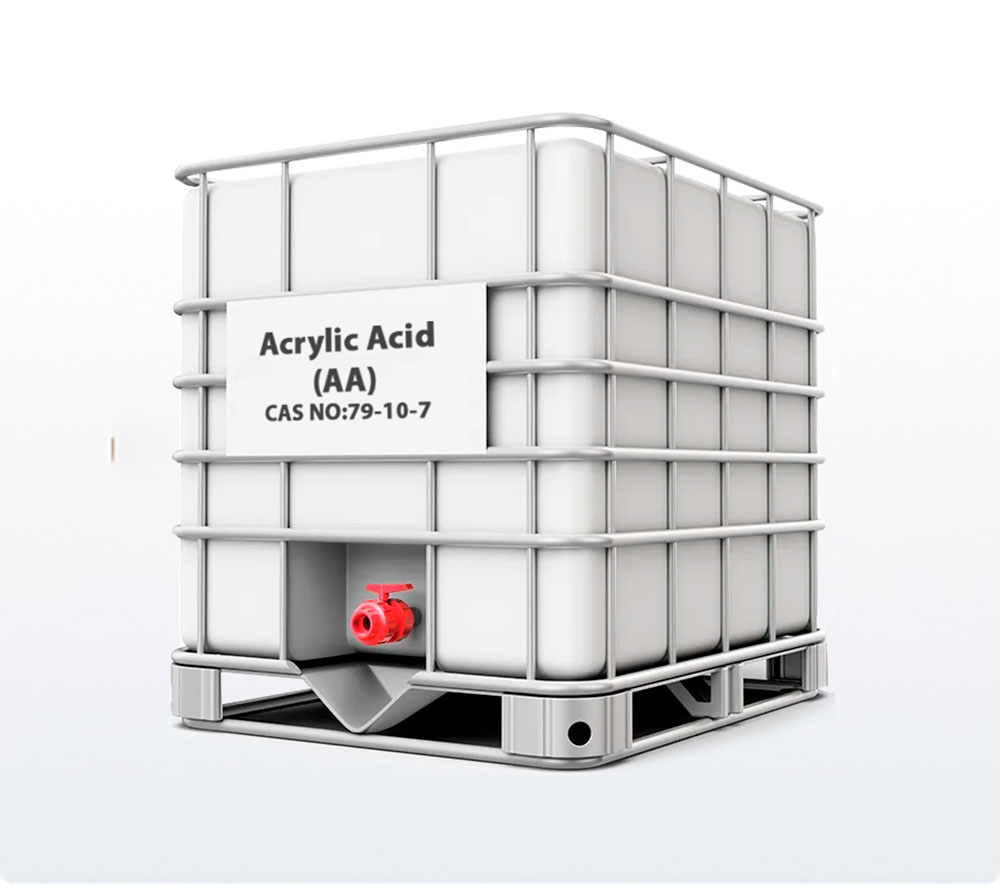
Acrylic acid is an organic compound. Acrylic acid is the simplest unsaturated carboxylic acid, consisting of a vinyl group directly bonded to the end of a carboxyl group. This colorless liquid has a characteristic pungent odor. Acrylic acid is used as a monomer in the production of acrylic resins and forms acrylate esters when reacted with alcohols. Acrylic acid is miscible with water, alcohols, ethers, and chloroform.
Characteristics of acrylic acid
Characteristics of Acrylic/Propenic Acid
Propenic acid has a low melting point; it is liquid at normal temperatures, crystallizes below 13°C, and can polymerize when exposed to high temperatures for long periods.
| Acrylic Acid Cas Number (Cas No.) |
79-10-7 |
| Acrylic Acid UN Number |
2218 |
| Acrylic Acid Chemical Formula |
CH2=CHCOOH |
| Acrylic Acid Formula Structure |
|
| Acrylic Acid Molecular Weight |
72.06 |
| Acrylic Acid IUPAC Name |
Propenoic Acid |
| Acrylic Acid Synonyms |
propenoic acid |
| Acrylic Acid Density At |
1.05 g/cm3 (20 °C) |
| Acrylic Acid Boiling Point |
141℃ |
| Acrylic Acid Melting Point |
13℃ |
Description
Acrylic acid is an organic compound. Acrylic acid is the simplest unsaturated carboxylic acid, consisting of a vinyl group directly bonded to the end of a carboxyl group. This colorless liquid has a characteristic pungent odor. Acrylic acid is used as a monomer in the production of acrylic resins and forms acrylate esters when reacted with alcohols. Acrylic acid is miscible with water, alcohols, ethers, and chloroform.
Characteristics of acrylic acid
Characteristics of Acrylic/Propenic Acid
Propenic acid has a low melting point; it is liquid at normal temperatures, crystallizes below 13°C, and can polymerize when exposed to high temperatures for long periods.